Blog Post
Why Your App Can Benefit from Offerwall, Even When It's Not a Game
Offerwalls gained popularity in gaming environments. But apps of all types can benefit from the monetization and retention benefits that offerwalls generate.

Tanner Hanson


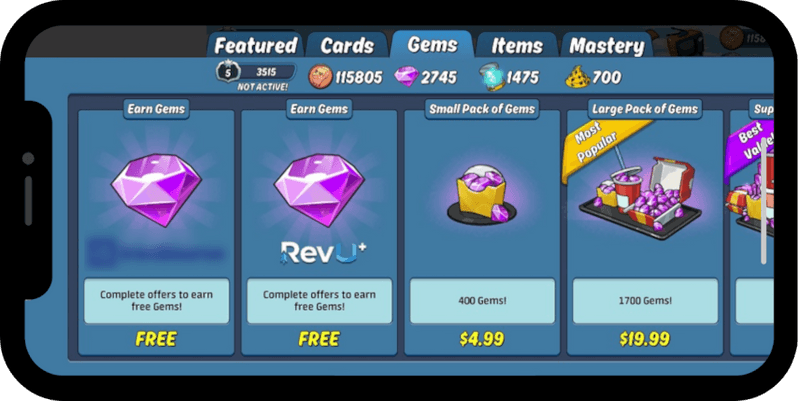
Ask most publishers about offerwall monetization, and they’ll picture the same thing: a mobile game where players trade survey completions for extra lives or premium currency. And it’s true: gaming apps have historically been offerwall’s home turf. But that framing has quietly become one of the most limiting assumptions in mobile monetization.
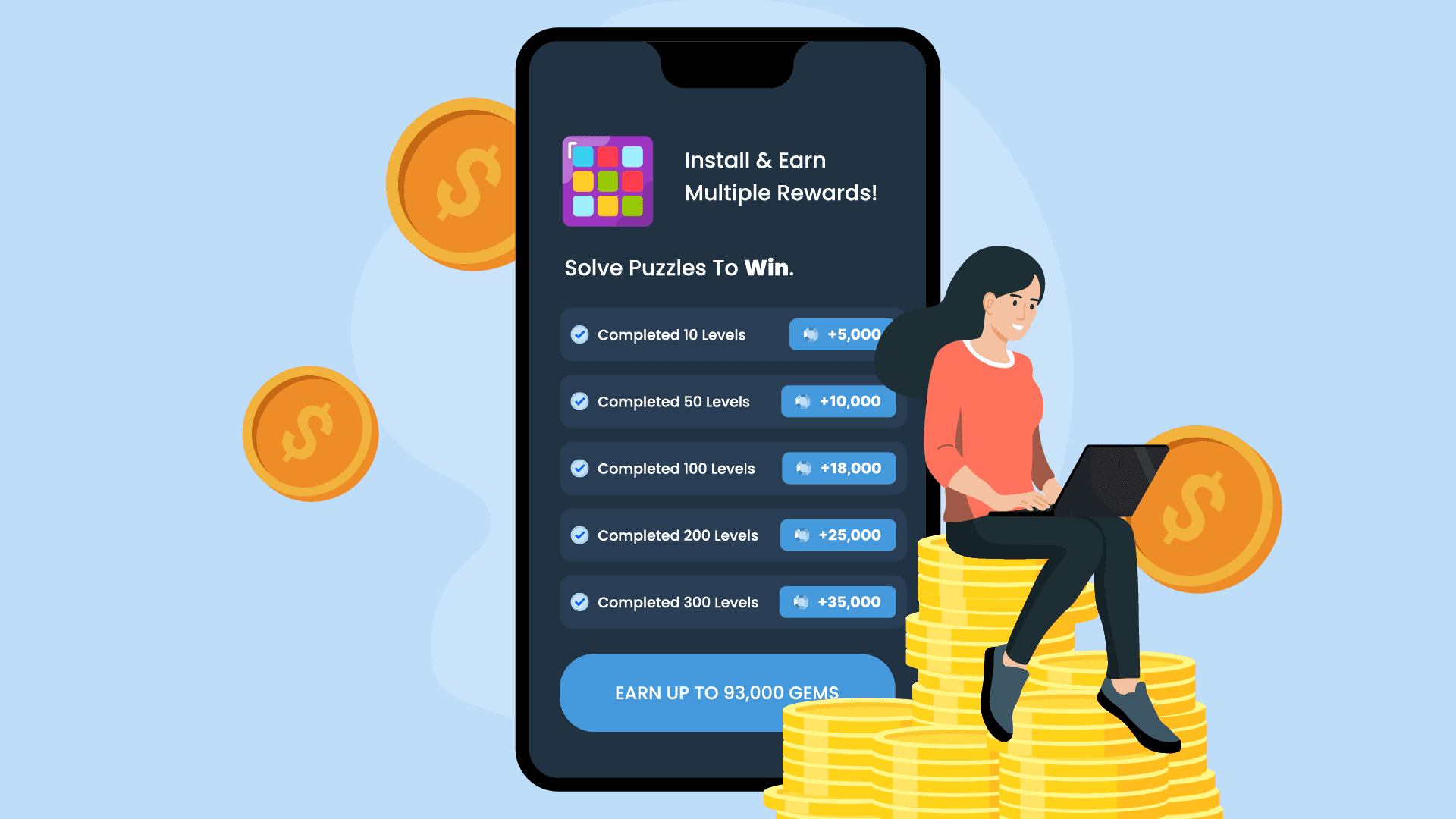
The reality is that offerwall is a revenue and engagement tool built on a simple psychological principle. Give users something valuable in exchange for completing an action, and they engage. That principle works just as well in a fitness app as it does in a match-three puzzle game. If your app has users who keep coming back, and you’re leaving monetization on the table, offerwall is worth a serious look.
Here’s why.
The “gaming-only” assumption is outdated
Offerwall’s reputation as a gaming-specific format comes from where it first found traction, not from any fundamental limitation of the format itself. Gaming apps were early adopters because they already had virtual economies (coins, gems, energy) that made reward delivery natural and intuitive. But the underlying mechanic doesn’t require a game economy to function.
What it requires is a reason for users to want something. And almost every app has that.
A meditation app where users want to unlock premium sessions. A recipe app where users are eyeing the pro plan. A fitness tracker where users want to remove ads or access advanced stats. These are all environments where offerwall can slot in naturally, giving users a way to earn rewards without pulling out a credit card.
What non-gaming apps are sitting on
Let’s be specific about the opportunity. Most apps, regardless of category, share a few characteristics that make offerwall a strong fit:
A meaningful free-to-paid conversion gap. The majority of your users will never make an in-app purchase. Offerwall gives those users a path to experience premium content or features, which can be its own conversion driver. Users who engage with high-value rewards often convert into paying users down the line, the same dynamic that publishers like Kongregate have seen play out on the gaming side.
An engaged but monetization-resistant audience. Users who open your app regularly but don’t spend are not a lost cause. They’re a captive audience who already find your product valuable. Offerwall reaches them with a non-payment monetization path they’re actually willing to take.
A need for incremental revenue. Subscription apps, utility apps, content apps all face the same pressure to grow revenue without degrading user experience. Offerwall adds a layer of ad revenue that doesn’t depend on banner impressions or interruptive video ads. Users opt in, complete an offer, earn a reward. The experience stays clean.
What “rewards” can look like outside of gaming
One of the first questions non-gaming publishers ask is what reward currency even means when you don’t have coins or gems. The answer is more flexible than you’d think.
Rewards in non-gaming apps can take the form of:
Premium content access -- Unlocking a paid article, course, meditation session, or workout video
Subscription trial extensions -- Giving users an extra week or month on a free trial in exchange for completing an offer
Feature unlocks -- Removing ads, enabling dark mode, or unlocking an advanced tool
In-app credits -- A virtual balance usable toward future purchases within your own store or marketplace
Real-world rewards -- Gift cards, discounts, or loyalty points for apps that already have an external reward ecosystem
The key is that the reward has to mean something to your users. If you can identify one thing your non-paying users would genuinely want, you have the foundation for an offerwall that works.
The user experience case
One of the strongest arguments for offerwall in any app, gaming or not, is how users actually feel about it. Unlike banner ads, which interrupt, or forced video ads, which frustrate, offerwall is an opt-in format. Users come to the offerwall because they want to. That shift in dynamic changes everything about how they engage with it.
For apps where brand reputation matters, including wellness apps, educational apps, and productivity tools, this distinction is especially important. You’re not subjecting users to advertising; you’re giving them a choice. That tends to produce stronger engagement and a more positive association with your brand, which matters long after the session ends.
The analytics advantage
Non-gaming publishers often discover an unexpected benefit when they introduce offerwall: the reporting is precise in a way that Meta and Google campaigns frequently aren’t. Because offerwall is performance-based, advertisers only pay when users complete a specific action, so the attribution is clean and the data is actionable.
For an app team that’s used to fuzzy attribution windows and contested conversion data, that clarity is genuinely refreshing. You can see exactly which offers are driving completions, what your effective eCPM looks like by user segment, and where you have room to optimize.
Getting started doesn’t require a major lift
One of the consistent concerns non-gaming publishers raise is integration complexity. The assumption is that offerwall is a heavy SDK lift built for game studios with dedicated engineering resources. With RevU, that’s not the case. The integration is lightweight, can be completed in a few hours, and doesn’t require the kind of ongoing maintenance that other ad formats typically demand. If you’re already running any kind of in-app monetization, adding offerwall is a straightforward addition to your stack.
The bottom line
Offerwall isn’t a gaming feature that happens to work in other contexts. It’s a monetization format built on user motivation, and user motivation exists everywhere. If your app has users who are engaged but not converting to paid, offerwall gives them a bridge. If you’re looking for a revenue layer that doesn’t compromise the experience you’ve worked to build, offerwall delivers that too.
The question isn’t whether offerwall can work for non-gaming apps. It already does. The question is whether you want to be capturing that revenue or leaving it on the table.
Interested in exploring what offerwall could look like for your app? Reach out to the RevU publisher team to learn more.
For more on where the industry is heading, read our MAU Vegas recap.