Blog Post
We Went to Rakuten Optimism. Here Are the Three Things Every Brand Should Take Away.
Rakuten Optimism brought together brands, affiliates, and technology providers across the digital ecosystem. Here are the biggest takeaways marketers should be thinking about.

Joanna Siegel


Earlier this year, the affiliate industry descended on the Arizona Biltmore in Phoenix for Rakuten Optimism 2026. Over 1,000 marketers across retail, finance, and travel packed two days of keynotes, panels, and conversations that signaled something bigger than the usual conference circuit energy.
The theme was “Fueling Meaningful Connections,” which ended up being a pretty accurate description of what was actually discussed: what happens to performance marketing when AI compresses the discovery journey, and how affiliate is positioned to win in that world.
Here’s what we think every brand running performance campaigns should take away.
1. AI Doesn’t Kill Affiliate. It Exposes Which Affiliate Programs Were Never Really Working.
The main stage panel, moderated by Guy Raz and featuring former OpenAI Head of GTM Zack Kass alongside media strategist Eric Seufert, introduced a concept worth sitting with: the automation boundary.
As AI handles more of the routine friction in a consumer’s life around search, comparison, checkout, people become more deliberate about where they choose to engage. They’ll let an AI handle logistics. But for purchases that require trust, reward, or a sense of discovery, they want to opt in on their own terms.
This is where affiliate is uniquely positioned. And it’s also where a lot of brands have been underinvesting.
Rakuten Advertising CEO Amit Patel opened the conference by marking 30 years since the Amazon Associates Program launched. His argument wasn’t nostalgia. It was that affiliate has survived every major disruption including GDPR, cookie deprecation, and desktop-to-mobile by being the channel that operates at the moment before a consumer enters a brand’s ecosystem. AI doesn’t eliminate that moment. It makes it more valuable.
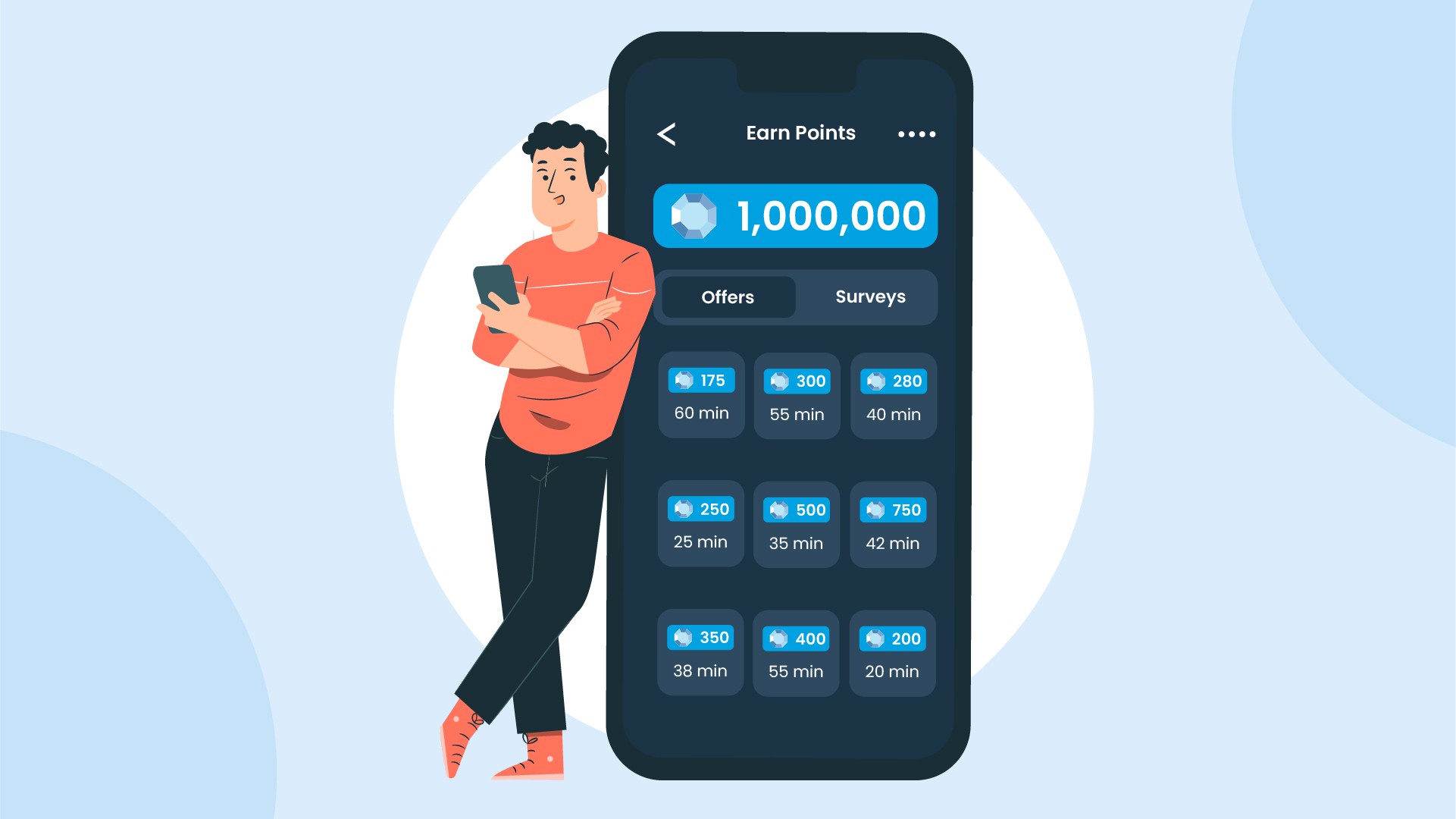
What this means for your campaigns: If your affiliate program is built purely around coupon or discount codes, you’re already vulnerable. That part of the funnel is exactly where AI shortcuts are most likely to displace human decision-making. The programs that will thrive are those built around discovery and intent: connecting consumers to offers they didn’t know they wanted, in environments where they’re already engaged. That’s precisely what a well-run offerwall does by meeting people in a moment of active engagement, not passive scrolling.
2. Measurement Is Broken. And the Industry Is Finally Doing Something About It.
The headline business announcement of the conference was a strategic alliance between Rakuten Advertising and impact.com. The goal: build a more comprehensive performance marketing ecosystem by combining Rakuten’s publisher scale and first-party consumer data with impact.com’s tracking infrastructure and attribution capabilities.
Affiliate has a structural credibility problem that everyone in the room knows about and few talk about loudly: it’s a conversion channel being evaluated in a world that still prices impressions. When a brand asks “what did affiliate actually drive?”, the honest answer is often “we’re not entirely sure, because the measurement model doesn’t reflect how the channel actually works.”
Rakuten committed to piloting a new measurement solution grounded in consistent data definitions by capturing incrementality, not just last-click. This is the foundation that gives brands the confidence to invest more in performance channels.
What this means for your campaigns: Start asking harder questions about attribution now. If your current measurement setup can’t answer “would this customer have converted anyway?”, you’re making budget decisions on incomplete data. The brands that will get the most out of the new ecosystems are those who come in with a clear incrementality hypothesis, not just a last-click ROAS target. And as you evaluate your broader channel mix, look for partners who are committed to the same transparency standards.
3. The Trust Infrastructure of Performance Marketing Is Being Rebuilt — Get Ahead of It.
There was a quieter thread running through Optimism that didn’t make most of the post-conference write-ups, but it’s arguably the most important signal for brand leaders: trust is becoming a targeting input.
One observation from the main stage panel put it cleanly. As AI handles more of the transactional layer of commerce, brand equity stops being a soft metric and starts functioning as a hard one. Consumers will have AI agents making routine purchases on their behalf. But they’ll choose which brands those agents are authorized to purchase from based on trust they’ve built over time, through content, through community, through the kind of relationship-driven channels that affiliate enables.
Brands that build meaningful publisher relationships now, that invest in the kind of trust-based discovery that affiliate at its best provides, are building an asset that becomes harder to replicate as AI compresses the top of the funnel.
What this means for your campaigns: Think about your publisher relationships the way you think about any long-term brand partnership. Are you showing up consistently? Are the offers you’re putting into performance channels ones that a consumer would choose on their own terms, or ones that require a discount to work? The best-performing offerwall advertisers we work with understand this intuitively and bring offers that are genuinely compelling. That distinction matters more in 2026 than it did in 2022.
The Bottom Line
Rakuten Optimism 2026 wasn’t about affiliate defending its turf. It was about an industry that has survived thirty years of disruption staking out its position in an AI-driven commerce landscape, and doing so with a clearer strategic rationale than most channels can offer.
Performance marketing isn’t going anywhere. The gap between programs that are built on real consumer intent and those that rely on friction and discounting is going to widen fast.
The brands that left Phoenix thinking about trust, measurement, and discovery, not just cost-per-acquisition, are the ones who’ll be ahead of the curve when the next disruption hits.
At RevU, we help brands reach highly engaged consumers across apps, games, and digital environments at the exact moment they’re most likely to act. If you’re thinking about how to build performance campaigns that hold up in an AI-first world, reach out to your RevU representative to talk through what that looks like in practice.