Blog Post
MAU Vegas Recap: What the Industry is Talking About - and What It Means for Offerwall
At this year's MAU, discussions ranged from retention to AI to incrementality. We break down the biggest trends and what they mean for offerwall.

Tanner Hanson


Three days at the MGM Grand. More than 2,500 attendees. Plenty of content on the main stage. But the real insights on where mobile growth is heading came from the conversations that didn’t make the agenda: the roundtables, the side rooms, the post-session debates that kept running long after the scheduled hour ended.
Here’s what we took away from last month’s event, and why it matters for publishers and advertisers working with offerwall.
Retention Is the New Acquisition
The message coming out of the conference tracks wasn’t subtle: teams that keep pouring acquisition budget into a leaky product are running uphill. CAC has been climbing for long enough that the math only works if users stick around.
What’s changed at MAU 2026 is that this no longer felt like a warning. It felt like a settled conclusion the industry was building around.
For offerwall advertisers, the implication is direct. A CPE campaign that drives a completed task but doesn’t attract users who engage beyond that moment isn’t generating real value; it’s generating a number. Advertisers are missing the more important signal: which of those users actually stayed, played, and converted? That’s the figure that maps to sustainable ROAS.
And for publishers, this means that offerwall can play a major role in driving overall revenue health. Effective placements, strategic economics, and compelling offers will keep users in the ecosystem and contribute to profitable retention.
Incrementality Moved to the Center of the Conversation
Across sessions, on the expo floor, and in hallway conversations, one concept kept surfacing: incrementality. Not as a niche measurement methodology, but as the lens through which sophisticated advertisers are now evaluating every channel.
The driver is attribution pressure. As deterministic signals have eroded, the industry has had to develop better frameworks for understanding what spend is actually generating new outcomes versus what’s claiming credit for things that were going to happen anyway.
This is where offerwall traffic often goes unappreciated.
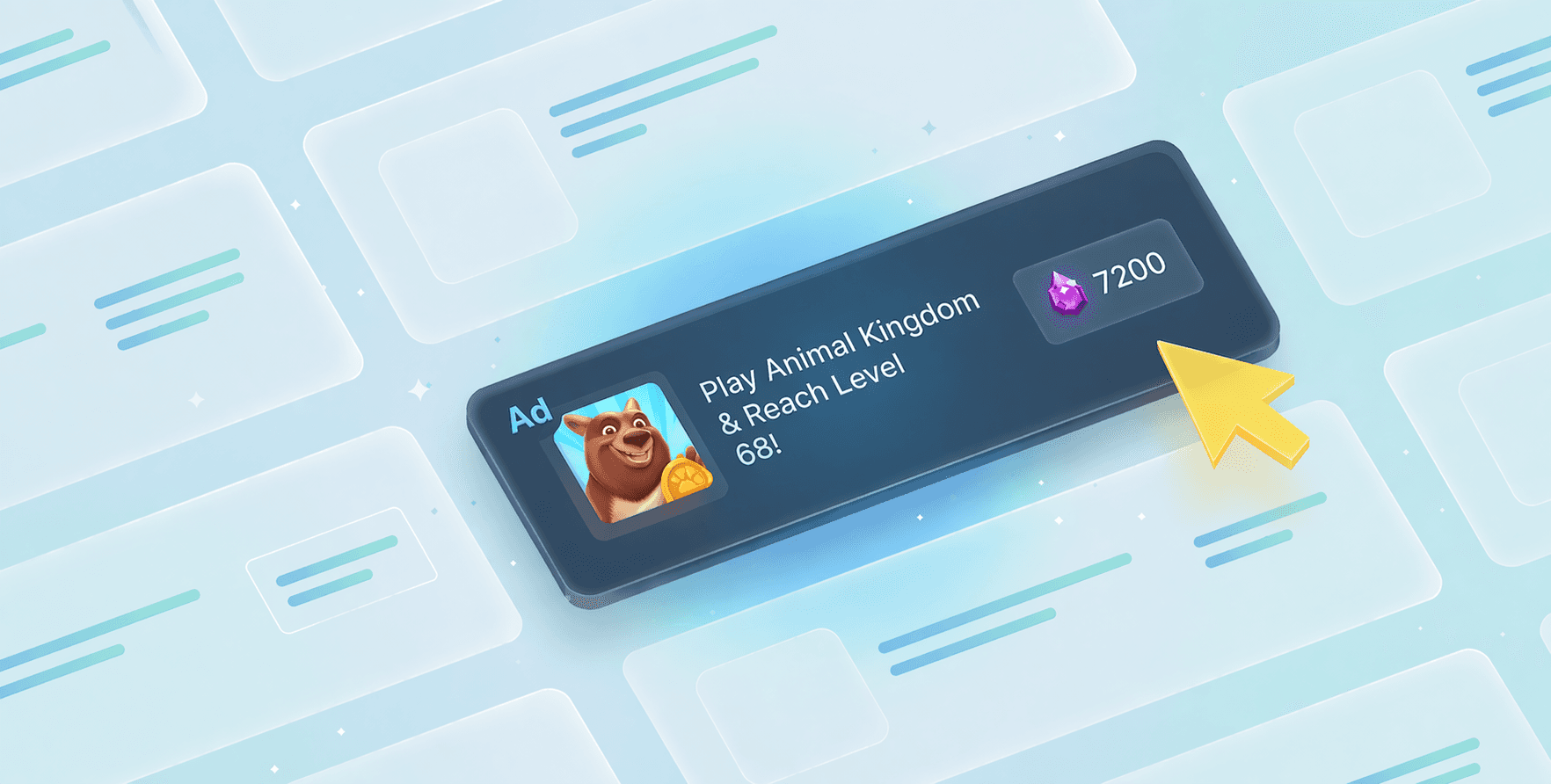
The opt-in structure of offerwall is meaningfully different from impression-based channels. A user who chooses to engage with an offer is making an active decision, not being reached passively. That behavioral distinction tends to favorably impact incrementality studies. Advertisers who haven’t yet run lift testing against their offerwall spend may find it outperforms what their standard attribution reports suggest.
Rewarded Is Evolving, and the Expectations Have Risen
Rewarded engagement was one of the most active categories in discussion at MAU 2026, alongside the rapid rise of short-form drama apps. Both share a common thread: users respond to value exchange. But the conversation has moved well past whether rewarded works.
The friction point that kept coming up was retention within rewarded. Getting a user to complete a first task is one thing. Keeping them engaged beyond that moment is where most implementations fall short. The industry framing around this is shifting toward what some are calling a second generation of rewarded design: mechanics built around recurring engagement, progression, and reasons to return rather than a single transactional moment.
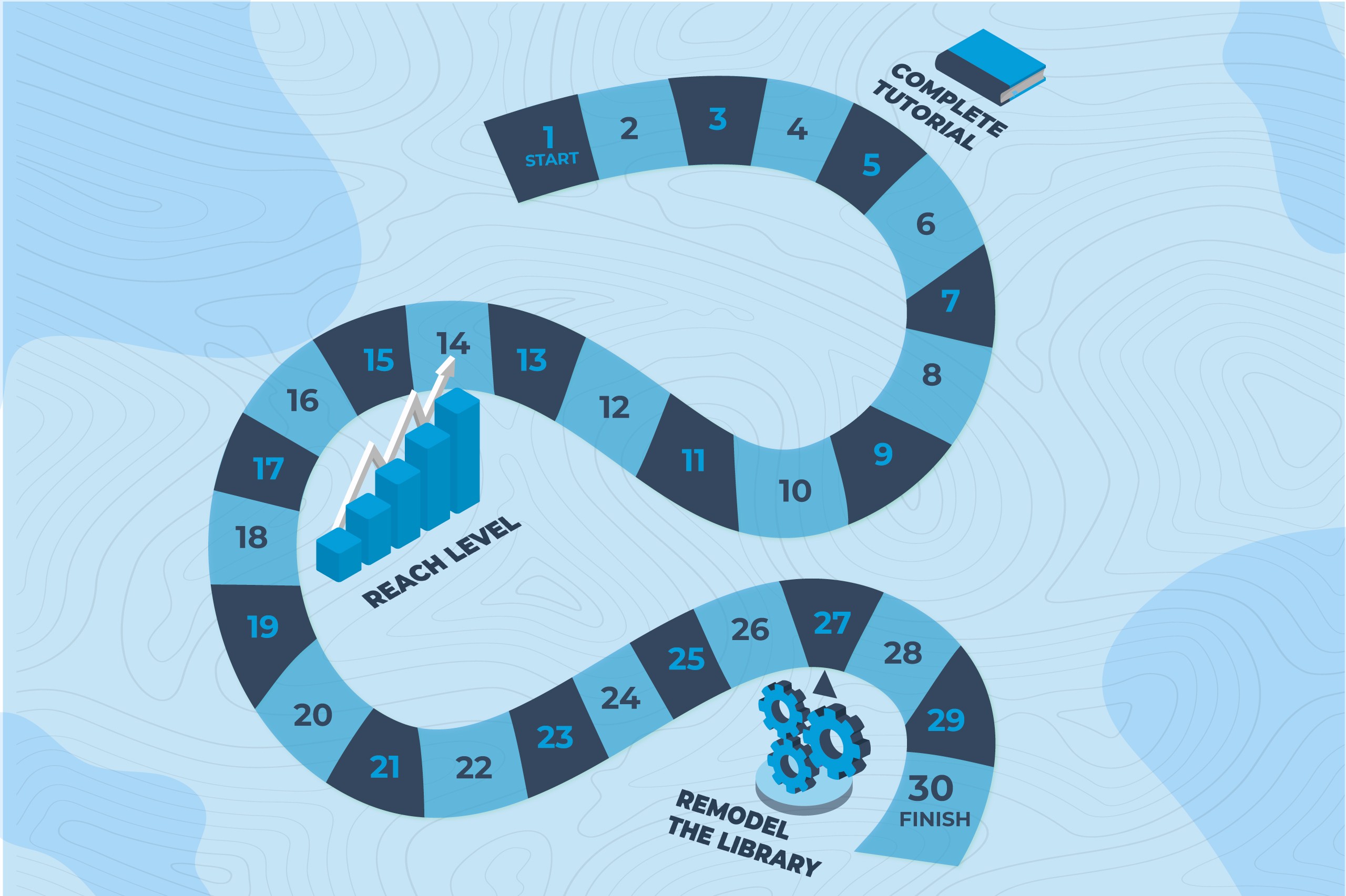
For offerwall publishers, this is the design question worth taking seriously. A placement built around a single offer type with no path forward doesn’t build habits. Placements that layer in recurring tasks, milestone structures, and re-engagement incentives create a different kind of user relationship, and that shows up in long-term eCPM performance.
AI Has Become Part of the Stack, Not the Story
Every session at MAU 2026 touched on AI in some form, and the signal across post-event coverage was consistent: the industry has moved past debating whether AI matters and into the more practical question of where it actually fits.
The useful shift in framing was away from AI as a creative or strategic story and toward AI as operating infrastructure. Real-time bidding optimization, programmatic UA, creative performance analysis: these are being rebuilt around AI-powered tooling now, not as future roadmap items.
For offerwall, the practical application is in offer personalization. Serving the same offer set to every user in a placement is a legacy approach. The performance gain comes from matching CPE tasks to users based on behavioral signals, genre affinity, and engagement history. Networks investing in that matching layer are positioning well for where advertiser expectations are heading.
Game Mechanics Are Valuable Beyond Gaming
One observation that generated consistent discussion: the apps posting the strongest retention numbers right now are not always games. Finance tools, wellness apps, and productivity platforms are borrowing structural elements from the F2P playbook, things like streak mechanics, progression systems, and variable reward timing, and seeing real results.
Install volume in gaming may be under pressure. The underlying mechanics that made gaming retention work are proving transferable.
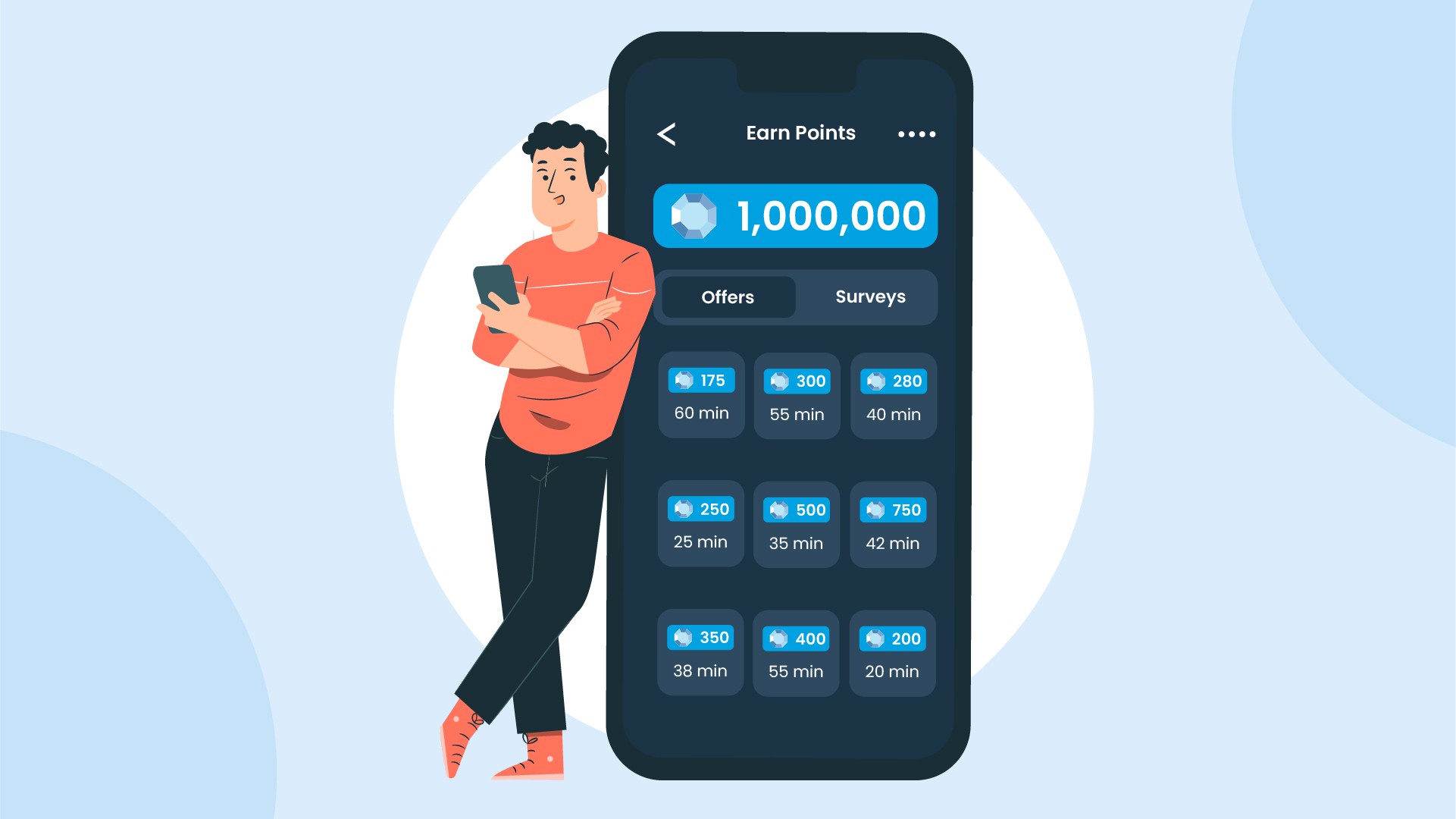
Offerwall is a natural fit for this broader shift. The core structure, completing a meaningful task in exchange for a reward, is a game loop applied to monetization. It translates across categories. Publishers outside of gaming who have been slower to integrate offerwall may be sitting on an underutilized tool, and advertisers who have treated it as a gaming-only channel have a broader audience pool than they may realize.
The Demand Stack Is Getting More Complex
DSP relationships were a recurring theme on the expo floor at MAU 2026. Teams were leaving with significantly more potential integrations than they arrived with, and the general read was that the mobile ad stack is entering a period of rapid layering. The partnerships being established now will shape how budgets flow in the second half of the year.
For publishers, more demand pathways create more opportunity, but also more need for clarity on what’s actually performing. The publishers who will benefit most are the ones who can speak precisely to their offer quality, eCPM by segment, and completion and retention metrics. Those are the publishers that attract stronger advertiser commitments as the market consolidates around accountable partners.
What to Take Away
The clearest through-line from MAU 2026 was that the industry is maturing in the right direction. Retention, incrementality, and engagement quality are moving from supporting topics to primary ones. That’s a healthy shift, and it maps well to how offerwall was designed to work.
The performance bar is rising. The channels that hold up under scrutiny are the ones built around user intent, measurable outcomes, and real engagement.
That’s the environment offerwall was built for. Intent-based, opt-in, completable, and measurable. The broader industry is arriving at the same conclusions.
We’ll be publishing more on incrementality measurement and rewarded design in the coming months. In the meantime, reach out if you want to talk through what any of this means for your monetization or UA strategy.
For a publisher’s perspective on these trends, read our Q&A with Loot Labs.